
Ever gazed at your favorite beauty aisle, wondering how those dazzling products came to be? Imagine the countless brainstorming sessions, research hours, and passionate individuals pouring their hearts into every serum, cream, and potion. My journey into the world of beauty product development has been enlightening and, at times, bewildering. Let’s explore how we can transform a mere idea into a reputable beauty brand that captivates consumers.

Deciphering the Beauty Market Landscape
The beauty market is constantly evolving. Understanding current trends and consumer preferences is vital for navigating this dynamic landscape. What really drives consumer choices? Is it the ingredients or the brand story? Let’s explore.

Trending Toward Natural
Today, a staggering 70% of consumers actively seek out natural ingredients when selecting beauty products. This shift is no longer just a trend; it’s a revolution in the beauty industry. With awareness about harmful chemicals and synthetic additives growing, consumers now prioritize safety and sustainability.
- Organic skincare products are flying off the shelves.
- Eco-friendly packaging attracts younger consumers.
- Brand transparency is non-negotiable.


Identifying niche opportunities within the beauty industry can give brands a competitive edge. Think about personalized skincare solutions or products targeting unique skin conditions. It’s all about differentiation. How can your brand stand out in such a crowded space?
Market Research for Product Development
Utilizing market research effectively informs product development strategies. Brands that engage in thorough research can better cater to evolving consumer needs. Simple surveys or focus groups can yield insights into what your target audience truly wants.
Consider these questions:
- What products are already on the market?
- Are there gaps in the market that your brand can fill?


Understanding Demographics
Understanding consumer demographics is crucial for targeting efforts. Different age groups, genders, and regions have distinct preferences that can dictate purchasing patterns. This isn’t just about age, though. Income level, lifestyle, and even values play significant roles.

"The beauty market is not just about products; it's about understanding women and their needs." - Jane Smith, Beauty Market Analyst
Visualizing Growth
As we look forward, the beauty industry is projected to grow at a 5% annual rate. This growth is largely fueled by the preference for natural and organic beauty products. Here's a chart that illustrates the relationship between consumer preferences and industry growth.
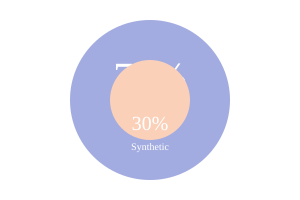
As we analyze this data, we see a clear trajectory for the industry. Those who capitalize on these preferences will likely thrive.

Creating a Unique Beauty Product Idea
The beauty product industry is vast, filled with countless options for consumers. How can we make our mark in such a crowded space? The key lies in creating a unique product idea. It all begins by focusing on the needs of our target audience. But what does that really mean?
Identifying Needs
First and foremost, we must identify specific needs or problems within our target audience. This step is essential. After all, no one wants to buy a product they don’t need. Engaging with potential customers and asking what they struggle with can be eye-opening. Often, the best product ideas come from genuine consumer needs.

Gathering Feedback
Next, it’s vital to incorporate feedback throughout the product development process. We can create prototypes or samples and seek opinions. This stage refines our idea and ensures we are on the right track. The more involved our consumers are, the better our chances of success.

Crafting Your Brand Story
Brand storytelling is another critical component. A compelling brand story can resonate deeply with consumers. It creates an emotional connection, making our product memorable. What do we stand for? What makes our product different? Answering those questions builds a strong foundation.

Designing Attractive Packaging
Lastly, we cannot overlook packaging. Design attractive packaging that stands out on the shelf. Think about how consumers will perceive our product at a glance. Stunning packaging can draw customers in, even if they’ve never heard of our brand before.
"The best product ideas emerge from genuine consumer needs." - Sarah Johnson, Product Development Expert
Successful Example
To illustrate these concepts, let's look at a successful product:
| Successful Product | Description |
|---|---|
| Eco-friendly Sunscreen | Made with natural ingredients that are safe for the skin and the environment. |
Developing a unique beauty product requires a thorough understanding of our target market. We can mold our product around their desires, crafting something truly special.

Key Takeaways
- Identify specific needs of your audience.
- Gather and incorporate their feedback.
- Create a compelling brand story.
- Design eye-catching packaging.
With these steps, we can move closer to creating a beauty product that not only meets consumer needs but also thrives in the marketplace.
Navigating Manufacturer Relationships
Building a beauty brand starts with a key decision: selecting the right skincare manufacturer. This choice can make or break your product’s success. I believe that choosing a reputable skincare manufacturer with a strong background is essential. But how do we accomplish this?

1. Background Matters
First off, look for manufacturers like Archeesh Health Care, a player with over 15 years of industry experience. Their strong legacy can guide you through turbulent waters. A well-established company will have the experience needed to handle potential production challenges. Think about it: would you trust a new ship captain on your first voyage?
2. Assess Production Capabilities
Next, you need to assess the manufacturer’s capabilities in product formulation and quality control. Ask questions. What's their process for testing products? How do they ensure quality? You deserve clarity here. A solid manufacturer will not shy away from these inquiries.

3. Consider Production Capacity
Another significant factor is understanding the implications of production capacity and lead times on your launch. If your manufacturer can't keep up with demand, your products may not reach the market on time. This can damage your brand's reputation before it even gets started. Ensure your timelines align. Will your manufacturer be able to meet your launch dates consistently?

4. Utilize Manufacturer Resources
Lastly, we should utilize manufacturer resources for effective product development. Many reputable manufacturers offer additional services, like innovative packaging or ingredient sourcing. This can be tough for startups that might lack such resources. Think of your manufacturer as a partner who can help you elevate your product's quality. They may possess the knowledge and tools you need to succeed.
"Choosing the right manufacturer is one of the most important decisions for any beauty brand." - Emily Brown, CEO of BeautyWorks

In partnering with seasoned manufacturers, we can navigate production challenges more effectively. With a supportive partner, we gain access to insights and resources that can position our brand for success. And in a crowded market, this can truly set us apart. So, let’s be smart about our choices!
Cultivating Authentic Marketing Strategies
In today’s fast-paced world, authenticity matters more than ever. Consumers have grown savvy. They can easily differentiate between real and fake. But how do we connect genuinely with them? Let's explore some strategies to cultivate authentic marketing.

1. Utilize Social Media for Organic Engagement
Social media is a powerful tool. We must engage our target customers organically. Aim to create meaningful interactions rather than just broadcasting messages. Think about it: wouldn’t you prefer a friend’s recommendation over a generic advertisement? Offering valuable content, responding to comments, and engaging in conversations can truly build community.

2. Create Transparent and Authentic Marketing Materials
Consumers appreciate honesty. When we talk about our products, it's critical to be transparent. We should avoid exaggerating claims. Authentic marketing materials should reflect reality, showing both benefits and potential drawbacks. This honesty fosters trust. Got something to hide? Your customers will sense it!

3. Highlight Product Benefits in Relatable Ways
Ever read a description that felt like a marketing pitch? It can be a total turn-off. Instead, we should aim to illustrate product benefits in a relatable manner. Use stories, testimonials, or real-life scenarios. What’s the real-life impact of our products? Make it personal, and customers will be drawn in.

4. Engage in Influencer Partnerships
Influencer partnerships can amplify our reach significantly. But remember, it’s not just about numbers. Choosing influencers who align with our brand values is vital. Look for those who embody authenticity, much like we strive to do. They can share our story in a way that resonates with their audience.

"Authentic marketing wins hearts far more than gimmicky ads ever could." - Anna Lee, Marketing Consultant
Integrating these strategies into our marketing efforts can help foster trust and loyalty. Remember, we're not just selling a product; we're building relationships.

As data shows, social media usage among beauty brands has surged by 60% in the past decade. This shift underscores the importance of genuine connection in a crowded marketplace. We must tailor our approach to meet consumer expectations for transparency and relatability.
Ultimately, Building a successful beauty brand involves understanding the market, crafting a unique product idea, collaborating with a trusted skincare manufacturer, establishing a strong brand identity, and marketing authentically to foster customer loyalty.
Contact : midhilesh@archeeshhealthcare.com
Contact no : +919963875299
Visit us : https://www.archeeshhealth.com/
